
Research: The Future is NowUniversity researchers are conducting the research of tomorrow today
From advanced materials and quantum information science to biotechnology, artificial intelligence, clean energy, and microelectronics and semiconductors, researchers are utilizing federal funding to conduct future-driven research.
 Read The Stories
University Researchers Play a Critical Role inCombating COVID-19
TSC institutions are leading the charge to combat COVID-19, from supplying local hospitals with 3D printed personal protection equipment to working tirelessly for a vaccine and treatments to addressing the country’s testing shortage. Discover how researchers at TSC institutions are combating COVID-19 and setting the stage to mitigate – and possibly avoid – future public health crises.
Read The StoriesSparking Economic GrowthHow Fundamental Research Drives Economic Growth and Innovation
View the latest release of The Science Coalition’s Sparking Economic Growth report, which highlights U.S. companies born out of federally funded fundamental research and their role in spurring economic activity across the country.
The 53 companies featured in volume four support nearly 100,000 jobs, attract billions of dollars in research grants, and contribute more than $1.3 billion in U.S. GDP throughout the supply chain of all 50 states, despite being based in only 12 states.
Go There Now
About Us
Established in 1994, the Science Coalition is a nonprofit, nonpartisan organization of more than 50 of the nation’s leading public and private research universities. Celebrating its 30th anniversary this year, it is dedicated to sustaining the federal government’s investment in fundamental scientific research as a means to stimulate the economy, spur innovation, and drive American competitiveness.
Learn MoreOur Initiatives
The Science Coalition works to demonstrate the benefits of fundamental scientific research to the public and to celebrate the work that legislators, agency officials, and university researchers do every day to promote fundamental research. Learn more about our most recent Champion of Science Award reception below.
Learn MoreTSC In Action
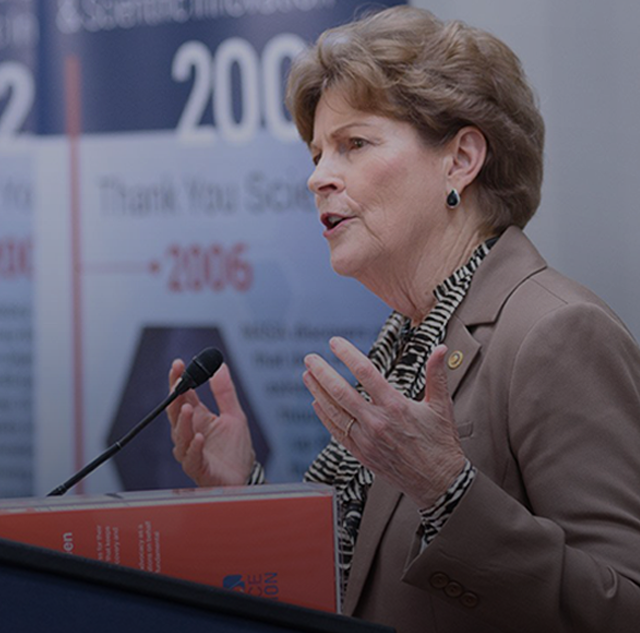
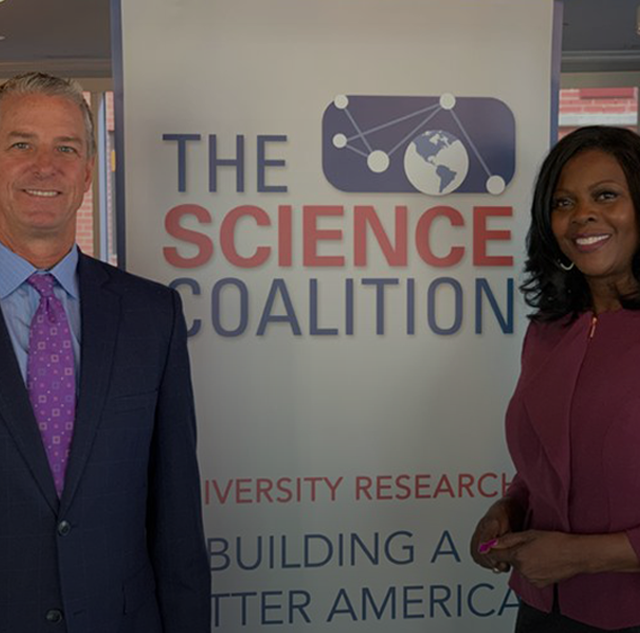
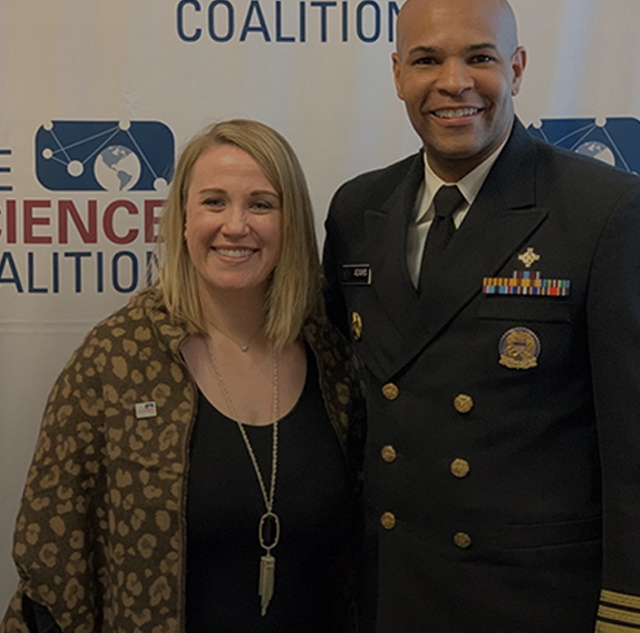
The Science Coalition regularly hosts events with current and former members of Congress, administration officials, and other stakeholders. Below you can browse photos that highlight some of our recent meetings and events.
If America wants to maintain our innovative edge, create meaningful jobs and realize economic growth, then we must make funding for scientific research a national priority.
Learn MoreFund It Forward Student Video Challenge
The power of a great story can change the world. We need your help – your stories – to spread the word about why science matters. Help us remind Congress that now is the time to invest in science, that now is the time to Fund it Forward!
Learn More